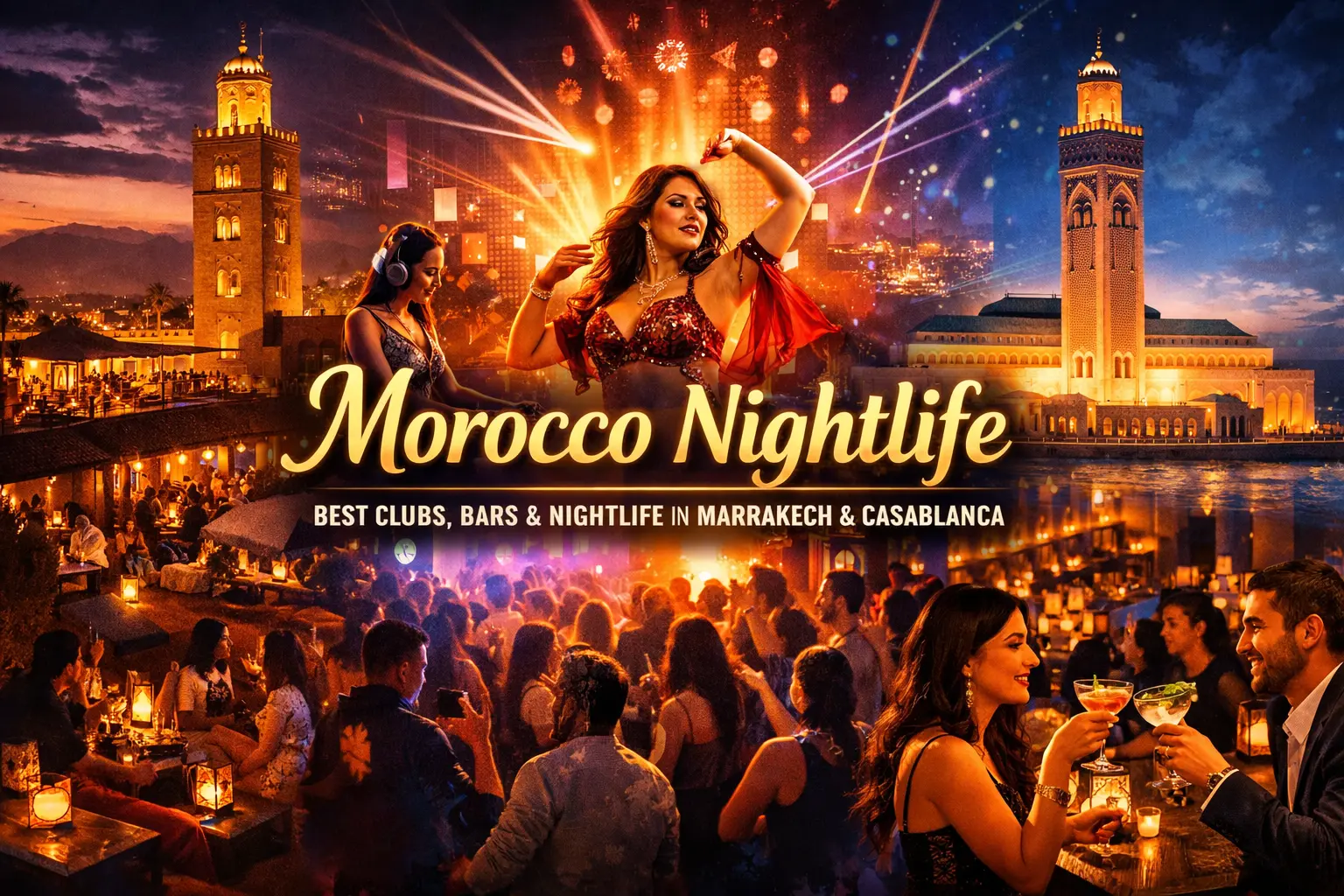
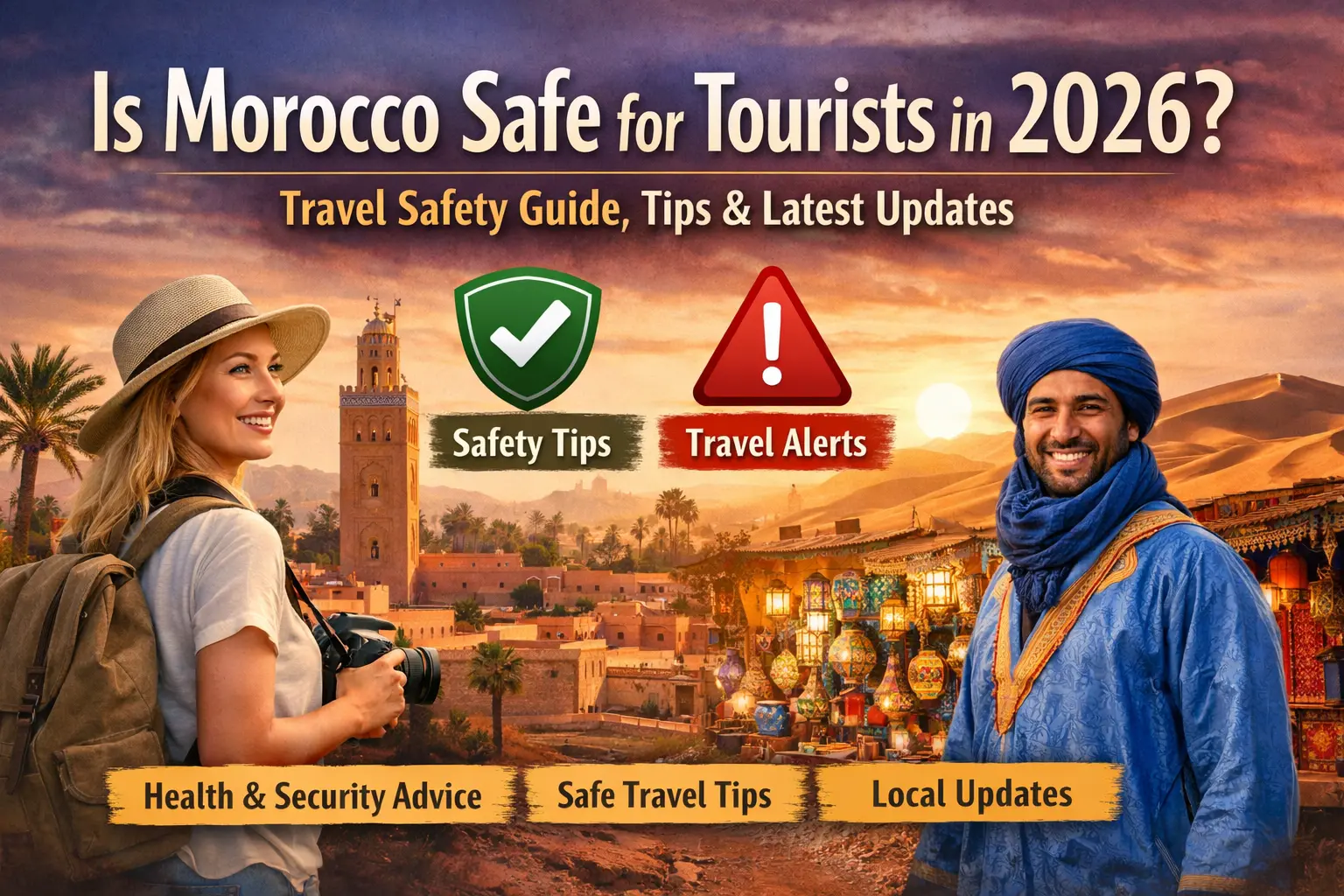
Planning a trip and thinking, “Is Morocco safe for tourists in 2026?” This dazzling North Africa destination continues to impress tourists with its ancient medinas, the Sahara Desert, the Atlas Mountains, and souks. From exploring the Marrakech Medina, the bustling Jemaa el-Fnaa square, to enjoying the blue alleys of Chefchaouen, Morocco offers unforgettable experiences.
However, before visiting the country, it is essential to understand Morocco's travel safety. In 2026, Morocco has consistently been a safe destination for all travellers, with strong security measures. However, tourists should be aware of certain safety concerns, such as pickpocketing, harassment issues, and others. In this Morocco safety guide, we discuss common safety issues, the safest cities to visit in Morocco, areas to be cautious in, and provide safety tips.
The answer to your question of whether Morocco is safe to visit in 2026 is yes. This destination ranks among the safest cities, as it consistently invests in tourist security. While the scams and petty crime do exist in Morocco, violent crime is rare. In the famous tourist areas such as Marrakech, Casablanca, and Rabat, a strong emphasis is put on maintaining security through visible police and others. Whether you are travelling solo or in groups, the safety in Morocco is ensured through following basic precautions, such as avoiding secluded areas and keeping valuable items safe.
The current safety situation in Morocco is stable and conducive to tourism. The country has taken various steps to ensure travellers' security in major areas, such as Marrakech and Casablanca. Police department executives remain active in major cities, and the government is implementing measures to ensure tourists feel safe day and night.
Exploring the Morocco safety guide, some of the common safety concerns for tourists are as follows: -
Petty crimes, like pickpocketing and scams is one of the most common safety issues. Morocco’s crime rate for tourists is low when it comes to violent crimes, but petty theft is common, especially in crowded areas, like busy markets and medinas. Thieves take advantage of distractions, and to avoid this, it becomes important to stay alert. To avoid petty crimes, use anti-theft bags, avoid carrying large amounts of cash, and avoid accepting unnecessary help from strangers.
Tourist scams are among the most frequently reported concerns in Morocco's travel safety. Visitors may face overpriced taxis, additional meal charges, and fake guides. In cities like Marrakech, the taxi drivers demand high prices from the tourists and often decline to use the meters. To avoid this tourist scam, you must ask the driver to use the meter, and if they refuse, you are allowed to take a photo of the taxi number and report it immediately to the police. Another tourist scam, like surprise charges at meals, is common in the old city of Marrakech. The restaurants bring food items that you have not ordered, and they are not complimentary. To avoid it, you must ask the waiters to remove what you don’t want.
Is Morocco threatening for women? This question often comes to women’s minds. Well, it has been seen that there is a safety issue to women, especially the street harassment at crowded places like Fez and Marrakech. Women face harassment in the form of verbal abuse and whistling. While it is non-physical, it is uncomfortable for all women. So, to avoid harassment concerns, you must walk around the streets confidently, ignore the comments completely, and dress modestly.
For those thinking Is Morocco safe for solo travellers, the country is generally safe and welcomes people with the right safeguards. Staying aware when visiting different places will make it an enjoyable journey.
When women travel alone in Morocco, there is a general question asked about whether Morocco is safe for solo female travellers. The answer is yes, with awareness. Every year, numerous females travel solo. However, sometimes they may receive uninvited attention, catcalling, and verbal abuse, which becomes uncomfortable for all women. Dressing modestly, avoiding isolated areas, and staying confident help prevent these issues. So, overall, with being cautious, Morocco can be a safe destination for all solo female travellers.
Morocco is safe for solo male travellers, and they can explore the cities with full safety. While travelling to the larger cities such as Casablanca and Marrakech, men can face petty crimes, like scams and pickpocketing. For a smooth experience, solo male travellers need to stay alert at all times and respect the local traditions.
Morocco travel safety can be ensured when visiting the safest cities in Morocco. Here are the following ones: -
Marrakech is one of the safest cities to visit in Morocco for both females and males. Most of the tourists enjoy their trip without major concerns, but staying alert in the busy areas is important. While petty crimes like pickpocketing and scams can take place in the souks, being aware helps avoid issues. The city offers excellent guides and transportation options, making it a comfortable destination for all.
Tourists seeking full security should visit Casablanca, the largest city in Morocco. It offers modern facilities and maintains a strong safety presence across the country. However, there are moderate crime levels, so precautions are necessary, such as avoiding remote areas at night and using ride-sharing services. Traveling in official taxis and sticking to well-known areas helps ensure that Casablanca remains one of the safest cities.
Fes is famous for its historical sites, and when visiting this city, everyone feels calm and safe. Although safety is maintained, there are concerns such as robbery and fake guides. To manage these issues, it is ideal to communicate with official guides and exercise caution at every place, especially in the narrow alleys.
Chefchaouen is a tourist-friendly town in Morocco, making it perfect for solo travellers and families with children. People can feel safe and comfortable while walking around the medinas both day and evening. The peaceful environment and smaller crowds contribute to a sense of security. However, basic awareness is still suggested, such as keeping your valuables secure, while enjoying the blue city.
For all the tourists, Rabat offers a stable and safe environment, including good transportation, safe hotels, and a high level of security across major attractions. In comparison to other cities, Rabat has fewer reports of crime. However, scams take place in Rabat, but they can be avoided with a little awareness. Some of the common scams are unofficial guides, taxi drivers who don’t use meters, and shopkeepers who increase prices unnecessarily. To prevent this, you should use reputable services and registered taxis.
To ensure Morocco travel safety, there are certain areas tourists must be careful in, such as Fes, Marrakech, and isolated places.
When travelling to Morocco, it is important to maintain health and hygiene for a stress-free trip. Tourists should always take basic precautions, and here are some of the following: -
Although transportation in Morocco is reliable, it requires some caution. The Morocco safety guide below highlights the transportation safety: -
Respecting culture and staying safe is always efficient in Morocco. So, follow the Morocco tourist safety tips highlighted below: -
|
Services |
Emergency Numbers |
|
Police |
19 |
|
Fire |
15 |
|
Ambulance |
15 |
|
Military Police |
177 |
If you are a first-time visitor, you must follow the Morocco travel tips 2026, as it will be a safe trip for you.
Is Morocco safe for tourists in 2026, and is it worth visiting? Absolutely. Morocco is safe and welcoming at every step of the trip. It offers a blend of historical landmarks, rich culture, and adventure with rare crimes. As the country has strong safety measures and security presence, numerous tourists travel to Morocco every year. While there are some risks, such as petty thefts and tourist scams, people should be aware of and avoid them. So, if you are ready to experience a convenient and safe trip, apply Morocco visa through the Vokit platform and travel hassle-free to your final destination.
Q1. Is Morocco safe for indian tourists?
Ans. Yes, Morocco is safe for indian tourists, and all the cities are well-developed, such as Marrakech, Fes, and Casablanca. In all the cities, effective security is managed while maintaining proper awareness.
Q2. Is Morocco safe at night?
Ans. Morocco’s safety at night completely depends on the area, as the tourist-friendly areas are safe, but the rural areas require more caution.
Q3. Can you drink alcohol in Morocco?
Ans. Yes, you can drink alcohol in Morocco, but only in specific areas, like bars, hotels, and licensed restaurants.
Q4. Is public transport safe in Morocco?
Ans. Yes, public transport is safe in Morocco, especially trains and buses. However, it is suggested to be aware when using taxis, as some of them are not official.
Q5. Do tourists get targeted in Morocco?
Ans. Tourists may be targeted for minor issues, such as pickpocketing, bag snatching, and risk of theft.
Q6. Is Morocco safe for tourists in 2026?
Ans. Yes, Morocco is safe for tourists in 2026, as full security is maintained by the police, and the government ensures safety very seriously. However, preventive measures should be taken, such as using official transportation, keeping valuables safe, and avoiding walking alone at night.
Q7. Is Morocco safe for solo female travellers?
Ans. Morocco is safe for solo female travellers, and every year, lots of women travel alone to Morocco. Dressing appropriately, staying in reputable hotels, and avoiding quiet areas reduces the risks they may face.
Q8. What are the most common scams in Morocco?
Ans. The most common scams in Morocco are overpriced taxis, fake guides, surprise prices at meals, and pickpocketing.
Q9. Is it safe to walk around at night in Moroccan cities, like Marrakech and Casablanca?
Ans. Walking around at night in Marrakech and Casablanca is safe in crowded areas, but not in isolated places.
Q10. What are the safest cities to visit in Morocco?
Ans. The safest cities to visit in Morocco are Rabat, Marrakech, Casablanca, Fes, and Chefchaouen.